Water Damage Response
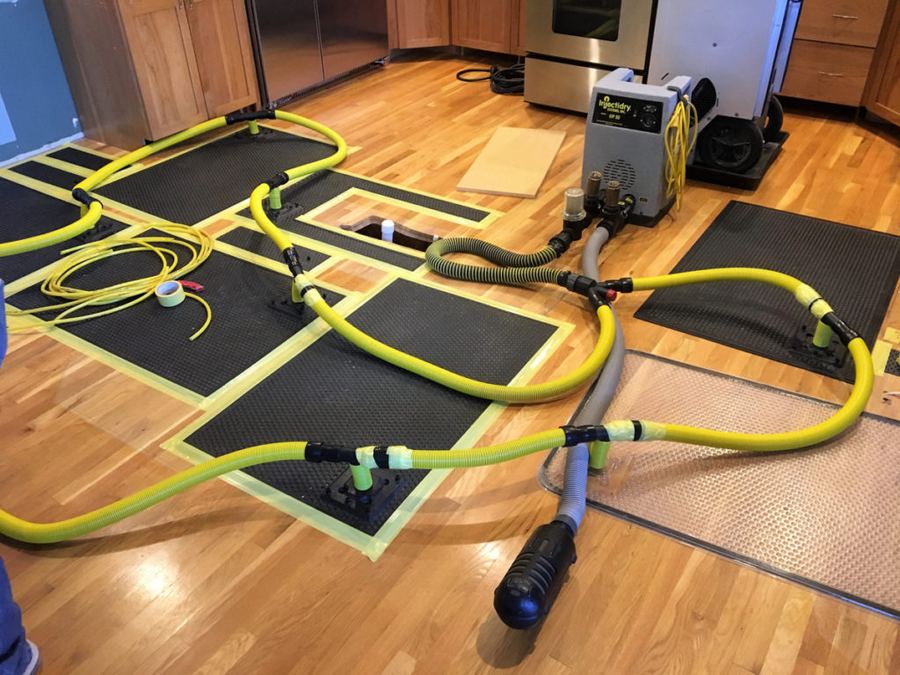
Assessment, water removal, cleanup, and flood cleanup to get standing water out and stop it from spreading further.
Assessment, water removal, cleanup, and flood cleanup to get standing water out and stop it from spreading further.
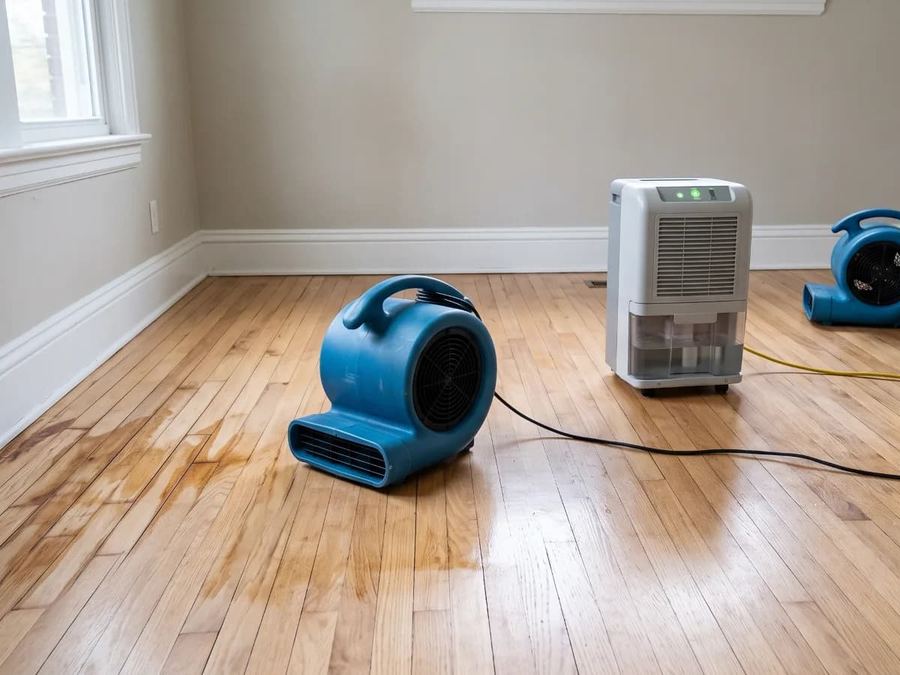
Structural drying, moisture readings, and follow-up checks so materials are dry before repairs begin.
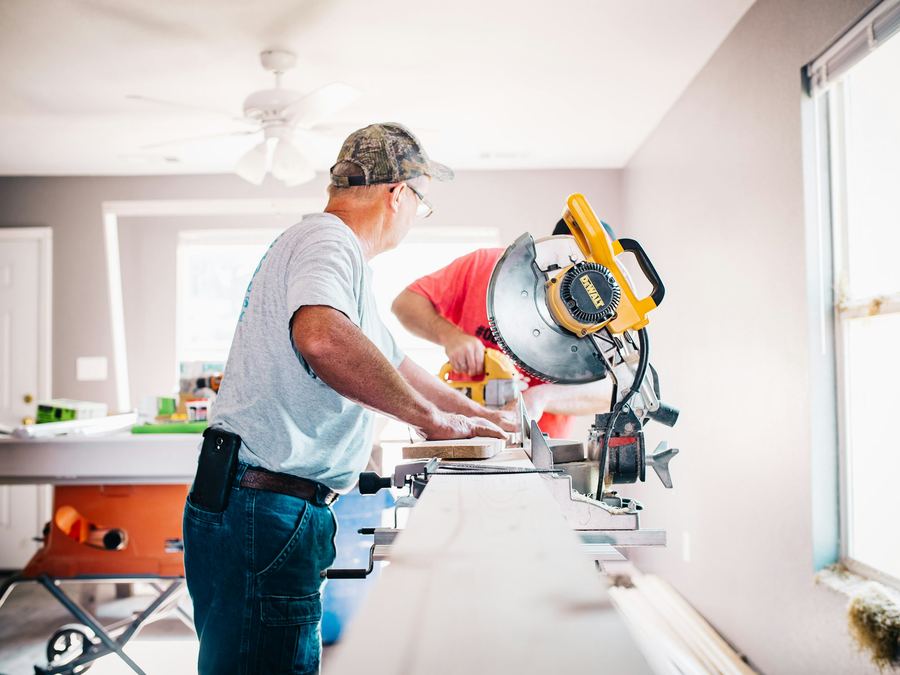
Ceiling, wall, and drywall repair plus interior restoration to return the space to a finished condition.
Scopes vary by property and by how long the water sat, so the descriptions below outline the typical work involved. Call +1 917-322-9690 to talk about a specific situation.
Full-scope water damage work
Water damage restoration is the complete sequence from the first assessment through the final repair. We identify how far water traveled, remove it, dry the affected materials, and then rebuild what had to be opened up or replaced. Treating cleanup and repair as one project keeps the timeline and the scope in one place, which matters on water damage restoration Brooklyn jobs where several rooms or floors are involved.
Extraction and pump-out
Standing water is pumped and extracted from basements, cellars, floors, and finished rooms. Water that has wicked under flooring, behind baseboards, or into wall cavities is pulled out or opened for drying, since surface water is usually only part of the problem. Removing water quickly limits how much material has to be replaced later.
Clearing and containment
After extraction, the affected space is cleaned out: saturated materials that cannot be dried in place are removed, debris is cleared, hard surfaces are cleaned, and the work area is contained so damp material and dust are not tracked through the rest of the property. Water cleanup Brooklyn jobs in occupied buildings are staged so people can keep using the areas that were not affected.
Higher-volume water events
Flooding from storm water, street backup, or a large plumbing failure usually means more volume and more contaminated material. Flood cleanup starts with removing water and unsalvageable materials, then cleaning what remains and drying the structure. Basements and cellars often need extra attention because water sits against slab and foundation surfaces.
Air movement and dehumidification
Framing, subfloor, plaster, and drywall hold water long after the visible wet areas look dry. Air movers and dehumidification equipment are placed based on the size of the space and the materials involved, then adjusted as the space dries. Drying is confirmed with moisture readings rather than by appearance alone.
Monitoring and follow-up
Moisture control means checking readings over the drying period, watching the areas water may have reached but not visibly stained, and confirming that levels come down before repairs go in. We also point out conditions that let water travel, such as open wall cavities, poor drainage at an entry, or gaps around plumbing penetrations.
Slow and hidden leaks
Not all water damage arrives at once. Roof leaks, window leaks, supply lines, radiator valves, and waste lines can drip for weeks before the stain shows. Leak damage cleanup involves opening the affected area, drying the materials around it, and removing what has broken down, so the repair sits on sound substrate.
Structural surface repair
Water stained ceilings, sagging plaster, and softened wall sections are cut back to solid material, rebuilt, taped, and finished so the patch blends into the surrounding surface. On older Brooklyn buildings this often means matching a plaster surface or a specific ceiling texture rather than simply replacing a sheet of drywall.
Replacement and finishing
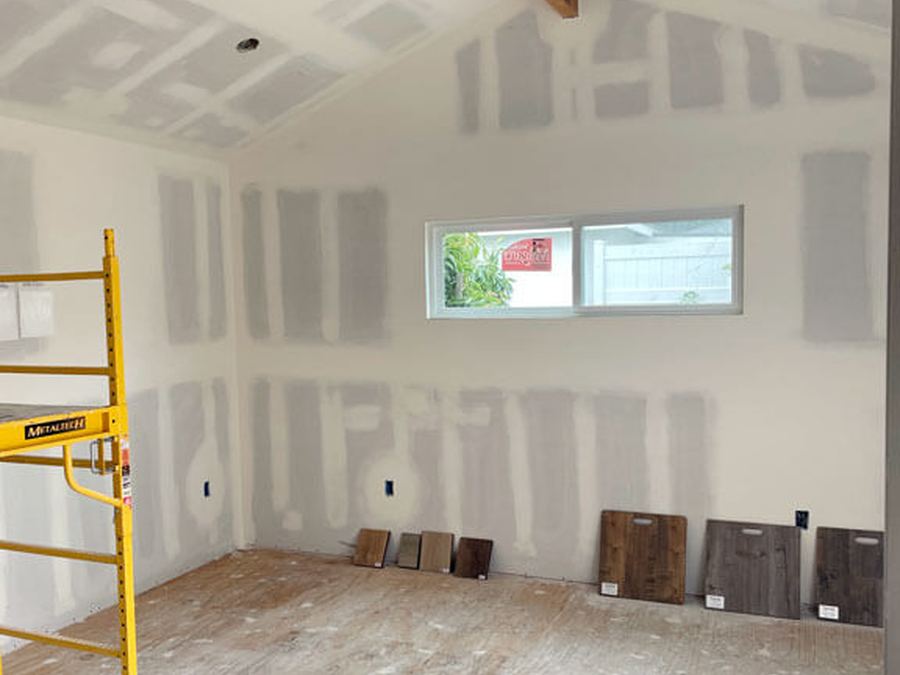
Drywall that has absorbed water loses strength and does not return to shape. Affected sections are removed, framing is checked and dried, and new board is hung, taped, and finished to a paint-ready condition. Water damage repair Brooklyn projects frequently combine drywall work with baseboard and trim replacement.
Finishes and final details
Interior restoration is the finish stage of property restoration Brooklyn work: paint, trim, baseboard, door casing, flooring transitions, and the small details that make a repaired room look complete rather than patched. The goal is a space that matches the rest of the property when the work is done.
Homes and apartments
Residential work covers houses, brownstones, co-ops, and rental units, including water that has moved between floors or into a neighboring unit. Common calls involve bathroom and kitchen leaks, failed washing machine or dishwasher lines, basement water, and ceiling damage caused by an upstairs unit.
Businesses and mixed-use
Commercial water damage work is scheduled around how the space operates. Storefronts, offices, and common areas in mixed-use buildings are contained and dried in sections where possible, so parts of the property can stay in use while cleanup and repair continue. As a water damage contractor Brooklyn businesses can call directly, we handle the repair stage too, not only the drying.
We inspect the affected areas, take moisture readings, and set out what needs removal, drying, or repair.
Water is extracted, unsalvageable material is removed, and drying equipment runs until readings confirm the structure is dry.
Ceilings, walls, drywall, trim, and finishes are rebuilt so the property is returned to a complete condition.
Not sure whether your address is covered? Call +1 917-322-9690 or read more about how we work.
Describe the property and the damage, and we will outline the cleanup and repair scope.